
The mechanical revolution: engines that change the world!
Advanced engineering and increased engine power combine performance and durability. These mechanical changes improve energy efficiency and reduce environmental impact while supporting more efficient automotive performance.
The parts that make up a car engine!
From cylinder blocks to valves, each component is carefully designed to ensure the performance and reliability of your vehicle’s engine. These parts convert energy into motion, providing efficient operation and a smooth and safe driving experience.

Spark plugs
The spark plug ignites the air-fuel mixture inside the combustion chamber, creating the controlled combustion that propels the piston downward.

Oil filters
An oil filter traps contaminants and fine particles suspended in the engine oil, helping protect lubricated engine components.

Piston and rings
Pistons work with piston rings to maintain an effective compression ratio while they compress the air-fuel mixture in the combustion chamber.

Timing belts
Timing belts maintain precise synchronization between crankshaft and camshaft, helping the engine valves and pistons operate in sequence.
Automotive engines in all their facets
Automotive engines are symbols of innovation and technological progress. Each engine architecture offers advantages in terms of performance and fuel economy, depending on its technology and intended use.
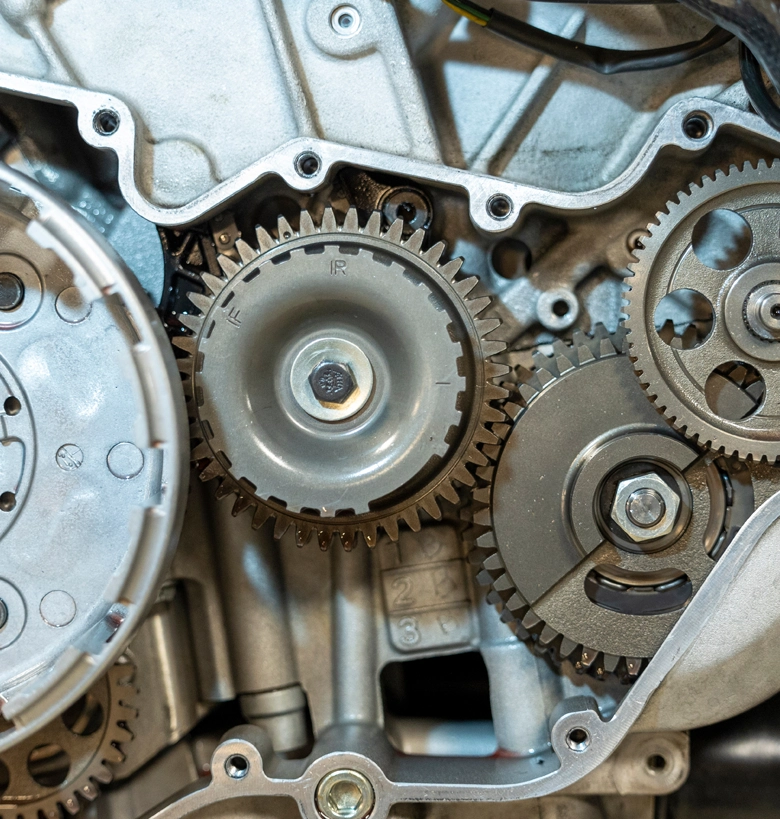

Gasoline engines for conventional vehicles
Gasoline engines generally offer good performance thanks to their ability to generate high power while maintaining relatively efficient fuel consumption across a wide range of everyday driving conditions.
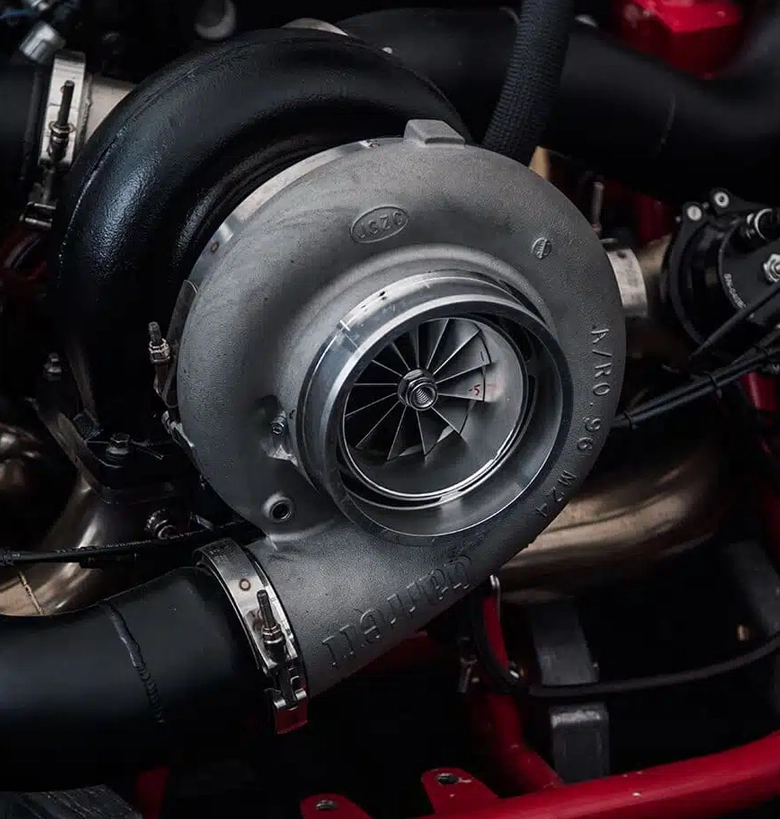

Turbocharged engines for enhanced performance
By increasing the amount of air supplied to the engine via a compressor, turbocharging significantly improves power output without increasing engine displacement, allowing greater performance from a compact engine.
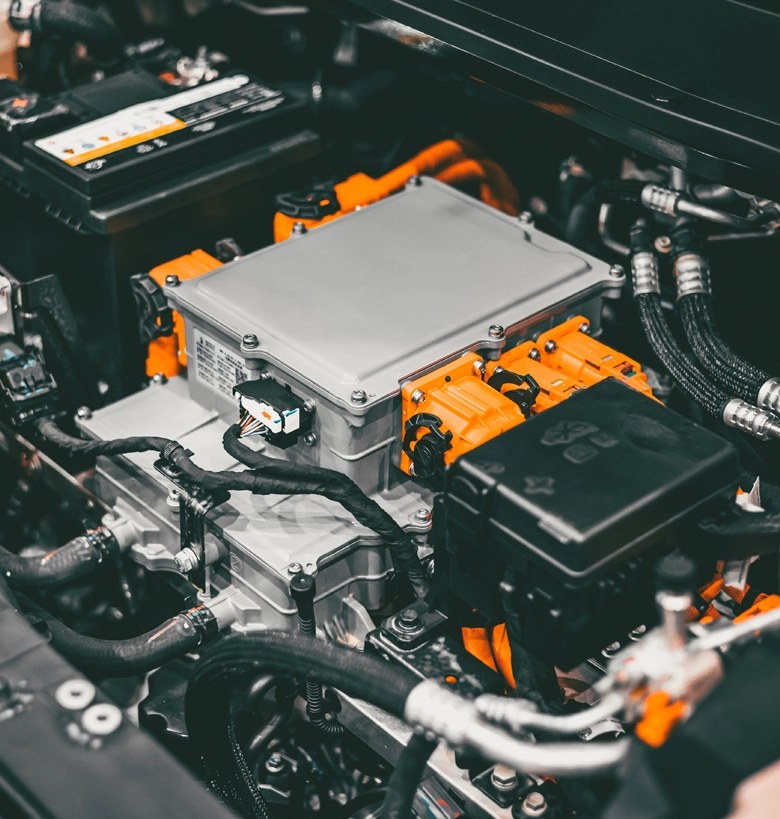

Electric motor for zero emissions
Electric motors combine performance with respect for the environment. They help reduce the carbon footprint associated with vehicle use and improve air quality by eliminating tailpipe emissions during electric driving.
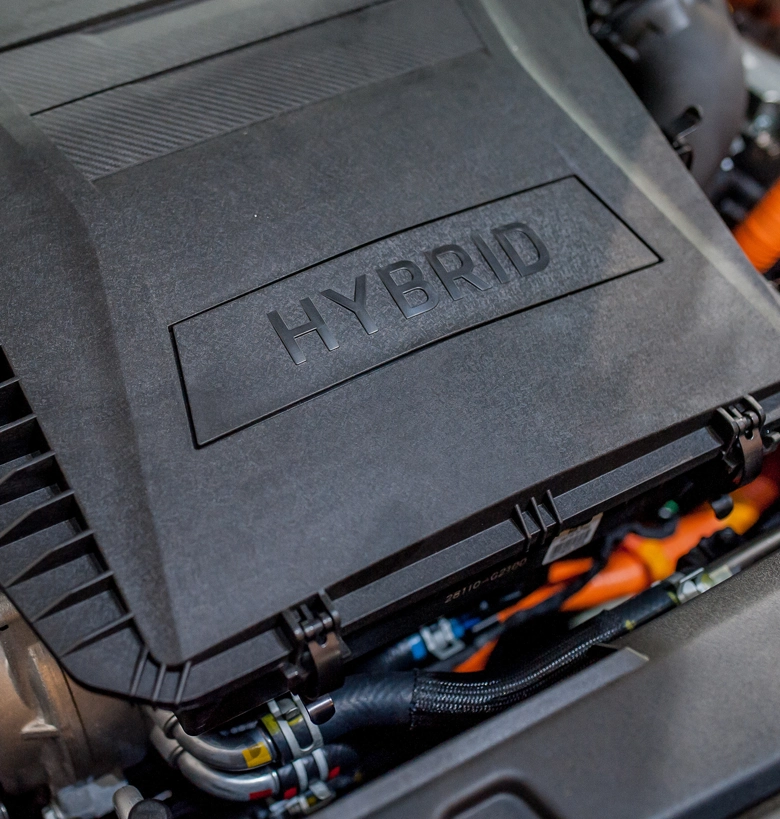

Hybrid engine for gasoline-electric combination
The hybrid engine combines gasoline and electricity to balance power with energy efficiency. Thanks to the complementary nature of the two energy sources, it offers an extended driving range and greater flexibility.
To lease or to buy, that is the question!
Buying a vehicle represents a lasting investment, with ownership providing greater freedom for vehicle customization according to personal preferences. However, car rental between private individuals is an increasingly popular alternative to traditional vehicle rental solutions.
- Reduce maintenance costs
- Economic and personal factors
- Complete vehicle customization
- No mileage restrictions

Which car accessories will enhance your car’s performance?
To optimize your car’s performance, you can add a range of car accessories, from high-performance air filters and sport exhaust systems to light-alloy wheels. When properly selected, all these accessories can support engine response, handling or airflow and transform your driving experience by making it more dynamic.
Improving engine torque and power
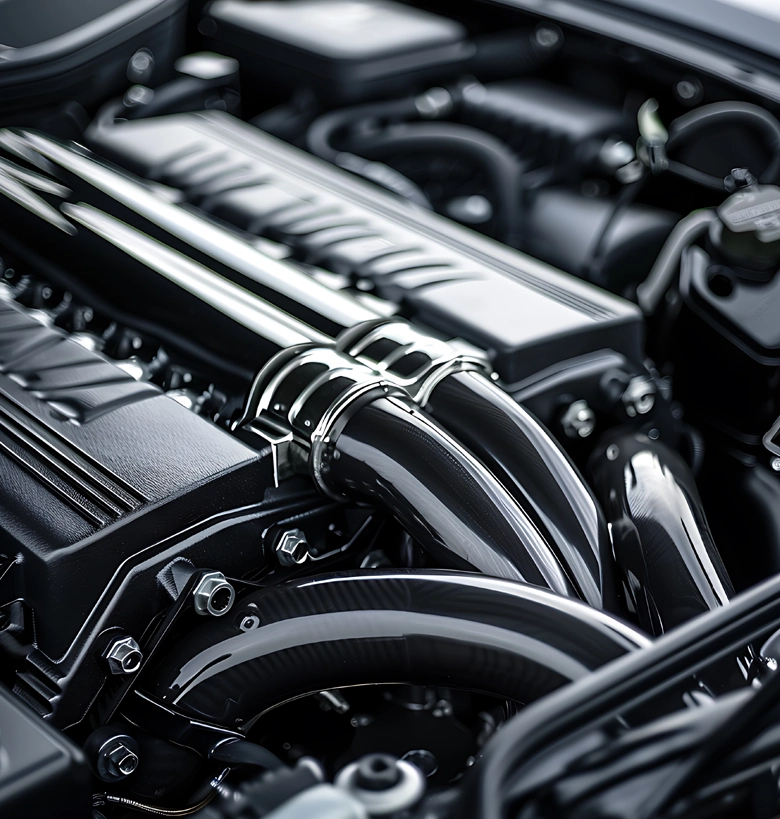
There are several modifications you can make to improve the torque and power of your engine. Reprogramming the engine control unit is an effective way of optimizing your car’s performance. It involves adjusting injection parameters, ignition timing and supercharging settings. Turbocharger installation can also significantly boost your car’s power when the engine and supporting components are suitably configured.
Reduce fuel consumption
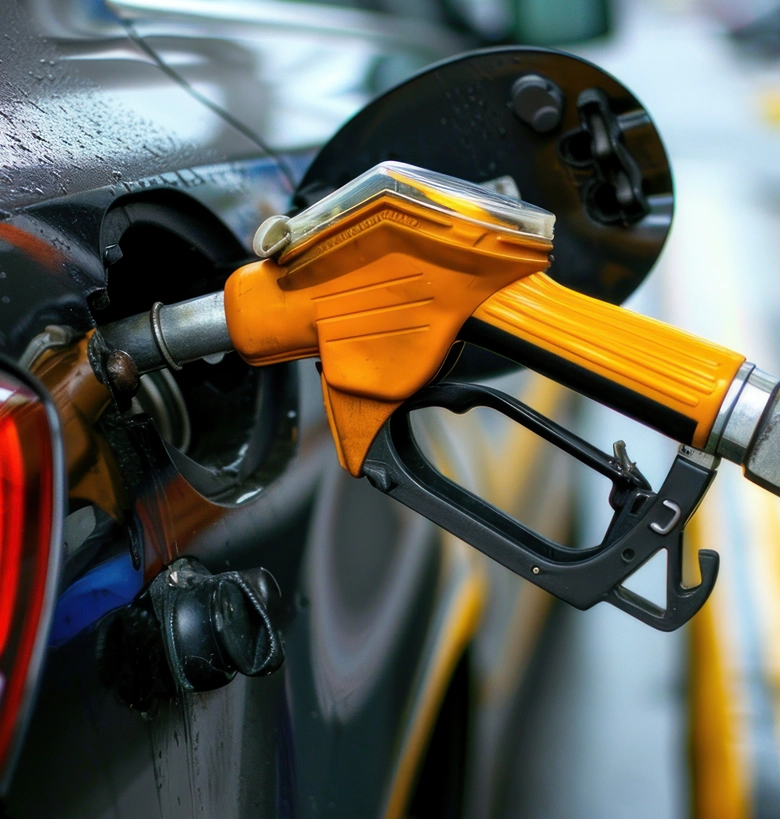
If you want to save money and protect the environment, you can reduce fuel consumption by adopting eco-friendly driving habits. To do this, avoid sudden acceleration, maintain a constant speed and use engine braking whenever possible. In addition to regular engine maintenance, maintaining proper tire pressure can reduce rolling resistance and unnecessary fuel use.